
A heartfelt, whimsical journey into parenting, purpose, and the pursuit of quiet happiness.
Paranthu Po is a delightful paradox—a film that feels light on its feet but carries the emotional weight of a thousand little truths. Directed by Ram, known for his deeply introspective storytelling, this film takes a refreshing detour into a sunnier, more whimsical world—without ever losing the emotional intelligence and compassion that defines his work.
At the heart of the film is Gokul (played pitch-perfectly by Shiva), an organic product entrepreneur and a father trying to give his son the best of everything—even if it means losing bits of himself in the process. Shiva is a revelation here—equal parts funny, flawed, loving, and introspective. The natural charm he brings makes Gokul relatable, especially in scenes where he balances fatherhood with his own buried dreams.
A Strong, Nuanced Cast
Grace Antony’s portrayal of Glory—Gokul’s wife and a self-made woman—is one of the film’s finest assets. Instead of being reduced to a trope of the “busy mother,” she’s allowed to be layered: a businesswoman, a daughter estranged from her family, a woman dancing freely in an unfamiliar town, and a mother rediscovering joy. Her arc is tender, powerful, and feels deeply lived-in.
Mithul as Anbu, their son, is remarkable. Ram understands children better than most directors, allowing Anbu to be genuinely childlike—curious, petulant, sweet, and sometimes wiser than the adults around him. His loneliness, his yearning for both parents to be present, and his silent acceptance of urban isolation are poignantly portrayed.
Subtle Commentary Beneath the Playfulness
Beneath the film’s warm surface lies a thoughtful critique of consumerism, the modern parenting race, and middle-class aspirations. But Ram isn’t interested in preaching. Instead, he gently nudges us to examine what “success” really means—especially when we’re too busy chasing it to enjoy what we already have. Whether it’s Gokul hoping Anbu will appreciate his sacrifices or Glory hiding her frugality, Paranthu Po finds quiet power in everyday dilemmas.
Musical & Visual Poetry
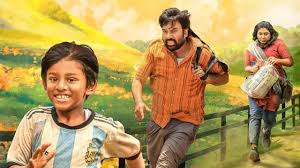
Santhosh Dhayanidhi’s music and Madhan Karky’s lyrics bring a musical texture that elevates the experience. Ram treats the film almost like a musical, where emotions spill into song—not as an escape, but as a deeper immersion into the world of its characters. NK Ekambaram’s visuals, meanwhile, do something rare: they place humans not against nature but within it. The shots of Anbu playing in ponds, running along winding roads, or climbing trees evoke not guilt about modernity—but longing for connection and wonder.
More than just a “message movie”
There are no villains in Paranthu Po. Even when characters seem like obstacles, the film quickly moves away from judgment. Ram believes in goodness—not in a naive way, but in a hopeful one. Even brief characters like Vanitha (Anjali) and her husband Gunasekaran (Aju Varghese) are painted with nuance, showing how different lives can co-exist without needing to be glorified or vilified.
Final Thoughts
In Paranthu Po, flying isn’t about escaping life—it’s about escaping the weight of expectations. The film’s final message, about finding peace, joy, and goodness even in fleeting moments, is deeply moving. It’s an ode to the tired adult in all of us—to let go, smile, and find hope again, even just for a little while.
Verdict:
Paranthu Po is that rare film which entertains you, moves you, and then gently asks you to be kinder—to your loved ones, to the world, and to yourself. It’s Ram’s most accessible work, yet it still resonates with the emotional depth and integrity that marks his cinema. A must-watch for anyone who’s ever paused mid-chase to wonder if happiness was waiting in the other direction.