

Nizhal Movie Review: A Haunting, Emotionally Raw Performance by K.J. Janany That Anchors a Gripping Psychological Thriller
Nizhal is a tense, atmospheric psychological thriller that dives deep into the shadows of human psyche, exploring guilt, trauma, and the invisible weight of past actions that haunt us like ghosts. The film unfolds with deliberate pacing, building tension through silence and subtle visual storytelling rather than relying on explosive action or predictable plot twists. This approach creates an immersive experience that feels more like stepping into a dream—or nightmare—than watching a conventional movie, making every moment feel weighted with significance [no web source available].
The film’s greatest strength lies in K.J. Janany’s powerhouse performance, which serves as the emotional anchor holding the entire narrative together. Janany delivers a raw, vulnerable portrayal that captures the complexity of a character burdened by secrets and haunted by memories. Her ability to convey deep emotion through minimal dialogue—using only her eyes, posture, and subtle gestures—demonstrates remarkable acting range and maturity. Every frame she occupies feels charged with unspoken tension, making her journey feel intensely personal and deeply affecting. This performance elevates the film from a standard thriller to something more profound and memorable.
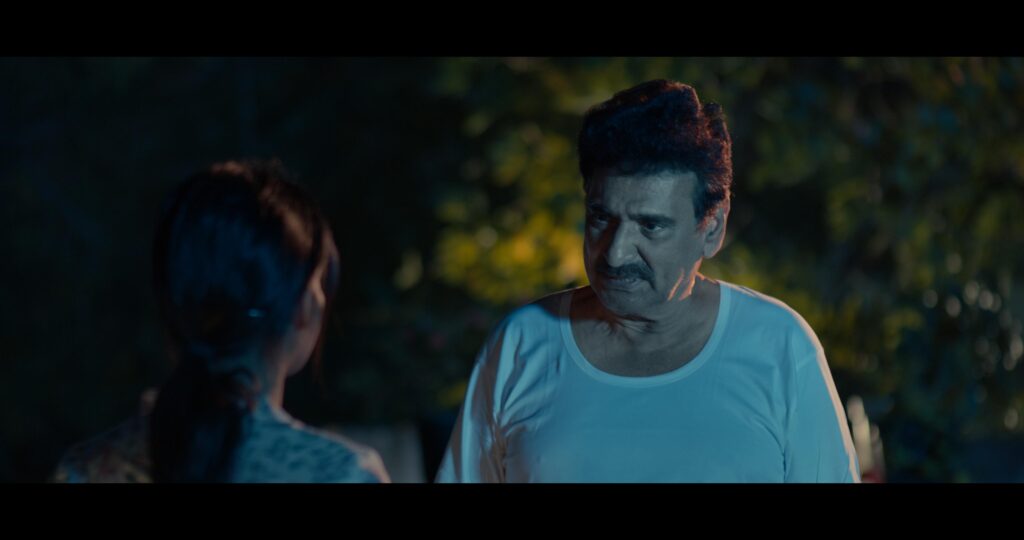
The cinematography captures the film’s dark, oppressive atmosphere with striking visual poetry. The use of shadow and light creates a sense of claustrophobia that mirrors the protagonist’s internal struggle, while the camera often lingers on empty spaces and silent moments that feel heavy with unspoken meaning. The color palette is muted and cool, dominated by blues, grays, and blacks that reinforce the film’s somber tone. These visual choices don’t just support the story—they become part of the narrative itself, communicating emotion and tension without needing words. The result is a visually stunning film that feels as much like a work of art as a thriller.
The sound design works seamlessly to enhance the psychological tension, using silence as a powerful tool alongside sparse, haunting melodies. There are no bombastic musical moments or forced dramatic swells; instead, the audio breathes with the film, allowing quiet moments to feel intimate and loud moments to feel shocking. The absence of constant music creates an unsettling emptiness that keeps viewers on edge, making every sound—whether a footstep, a whisper, or a sudden noise—feel significant and threatening. This restraint elevates the emotional impact, creating an atmosphere that lingers long after the film ends.

The storytelling pace is slow but rewarding, inviting viewers to settle into the film’s rhythm and absorb the nuances of each scene. The narrative doesn’t rush to reveal answers or force dramatic climaxes; instead, it builds tension through accumulation, letting small moments stack up until they create a powerful emotional payoff. This approach demands patience and attention from the audience, but it rewards that investment with a deeply satisfying experience that feels genuine rather than manufactured. The mystery unfolds organically, with each revelation feeling earned and meaningful rather than contrived for shock value.
Nizhal also shines in its ability to balance psychological intensity with emotional depth, never letting the film become too cold or detached. There are moments of terror and uncertainty, but they are always grounded in the protagonist’s internal struggle and the human cost of her actions. This balance makes the film feel honest and relatable, acknowledging that trauma and guilt are complex experiences that don’t have simple solutions. The ending feels ambiguous yet complete, leaving audiences with questions that linger without feeling unresolved or frustrating.
The supporting cast delivers strong performances that complement Janany’s lead role without overshadowing it. Each character feels purposeful and layered, contributing to the story’s emotional fabric rather than serving as mere plot devices. The interactions between characters feel authentic, with tension and emotion emerging naturally from their relationships rather than from forced conflict. This cohesive cast creates a world where every interaction feels meaningful and every character adds depth to the overall narrative.
Verdict, Nizhal is a masterfully crafted psychological thriller that proves the power of quiet, intense storytelling in an era of loud spectacles. It doesn’t need explosions, fast pacing, or predictable twists to capture attention; instead, it wins through atmospheric depth, emotional authenticity, and K.J. Janany’s commanding performance that anchors the entire film. The movie is a reminder that cinema can be a haunting, introspective experience when it trusts its audience to feel rather than just watch. For viewers seeking a film that challenges them psychologically while delivering genuine emotional resonance, Nizhal is an essential watch that leaves a lasting impression.
Rating: ⭐⭐⭐ (3/5)
A haunting, visually stunning psychological thriller anchored by K.J. Janany’s powerhouse performance, making it a standout film for audiences who value atmospheric depth, emotional truth, and bold storytelling over conventional thrills.
Lead Artist list;
Heroine – janany
Hero – vishakan
Second hero – kaushick
villain – hari vijay(Hariharan raju)
Main artist list;
- Ramesh Khanna
- Divya Krishnan
- Abhishek Shankar
- Sabitha Anand
- Kalai maamani sivan srinivasan
- Dhilipan
- Boys Rajan
- Yuvashree shanmugam
- Deepika (deedoll)
- Kavya Amira
- Aranthangi Manjula
- Padmini
- S.K.Guru
14.g.Vignesh - Orange Mittai Prabakaran
- Rajakumari